
Diamonds
Gallery
For first time or uneducated buyers, shopping for a diamond can be overwhelming. Learning about and understanding the characteristics that define a diamond (and ultimately what drives their prices) will help you through this process.

Years In Business Since 1937

Tucson's Best Jewelry Awardee

Readers' Choice Winner

Diamond Shape
- Diamonds come in many different Shapes. Each shape is very different and possesses unique characteristics.
- The diamond Shape is not to be confused with the Cut of a diamond. The Shape refers to the geometry of a diamond whereas the cut refers to the proportioning of the facets.
- The most popular diamond shape is the Round brilliant.
- Learn about the 4Cs of diamonds: Cut, Color, Clarity and Carat.
  Round |
  Princess |
  Emerald |
  Asscher |
  Marquise |
  Oval |
  Radiant |
  Pear |
  Heart |
  Cushion |
Diamond Cut
- Cut is a measure of brilliance and how well a diamond transmits light.
- The Cut of a diamond is considered the most important component of a diamond’s beauty.
- When a diamond is cut properly, light is returned out of the top of the diamond, giving it its brilliance.
- If a diamond is too shallow, light escapes out of the bottom. If the cut of the diamond is too deep, light is returned out of the sides.
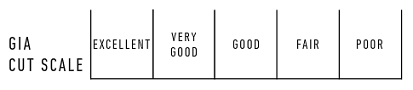
- Excellent to Very Good cuts on the GIA Cut Grading Scale reflect nearly all of the light that enters a diamond. These diamonds have the most brilliance.
- A diamond that has a Good cut reflects most of the light that enters a diamond.
- Fair to Poor cut diamonds lose most of the light out of the side or bottom from being too shallow or too deep.
- Learn more about the 4Cs of diamonds: Clarity, Color, and Carat.
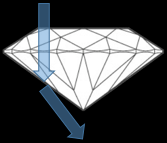 Shallow Cut Shallow Cut |
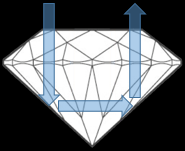 Excellent to Very Good Excellent to Very Good |
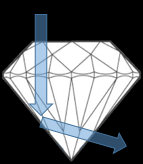 Deep Cut Deep Cut |
Diamond Color
- Color is the degree of whiteness or colorlessness in a diamond. It refers to the diamond’s absence of color.
- The highest grading on the GIA Color Grading Scale is the letter D, which means completely colorless, and continues with the increasing presence of a yellow hue to the grading letter Z, which means light yellow.
- Learn more about the 4Cs of diamonds: Cut, Clarity, and Carat.

 D – F D – FColorless |
 G – J G – JNear Colorless |
 K – M K – MFaint Yellow |
 N – R N – RVery Light Yellow |
 S – Z S – ZLight Yellow |
Fancy Color Diamonds
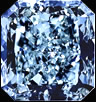
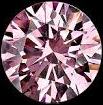
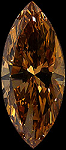
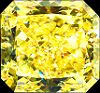
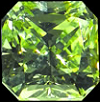
Beyond the GIA D to Z Color Grading Scale, there are diamonds that possess natural colors such as blue, brown, green, pink, and yellow. These are known as Fancy Color diamonds, which are extremely rare.
Unlike white or colorless diamonds, fancy-color diamonds are evaluated more for their color intensity than their brilliance. The GIA uses three terms to describe the color of these diamonds: Hue, Tone and Saturation.
Hue – color of the diamond
Tone – lightness or darkness of diamond
Saturation – depth or strength of color
 |
 |
 |
 |
 |
Carat Weight
- Carat is a measurement of a diamond’s weight. One carat equals 200 milligrams in weight.
- A diamond that weighs one carat would not necesarily have the same dimensions as a diamond weighing the same. The size of the diamond would actually depend on the diameter and the cut of the diamond.
- Learn more about the 4Cs of diamonds: Cut, Clarity, and Color.
 0.25 0.25 |
 0.50 0.50 |
 0.75 0.75 |
 1.00 1.00 |
 1.50 1.50 |
 2.00 2.00 |
 3.00 3.00 |
 4.00 4.00 |
 5.00 5.00 |
Diamond Clarity
- Clarity is a measure of the number and size of the tiny imperfections that appear in almost all diamonds.
- These tiny imperfections are called inclusions.
- Inclusions are created by the heat and pressure during the formation of a diamond.
- The inclusions are mostly microscopic and are often not visible to the untrained eye.
- Learn more about the 4Cs of diamonds: Cut, Color, and Carat.
 FL, IF FL, IFFlawless, Internally flawless |
 VVS1, VVS2 VVS1, VVS2Very, very slightly included |
 VS1, VS2 VS1, VS2Very slightly included |
 SI1, SI2 SI1, SI2Slightly included |
 I1, I2, I3 I1, I2, I3Included |
GIA Certificates
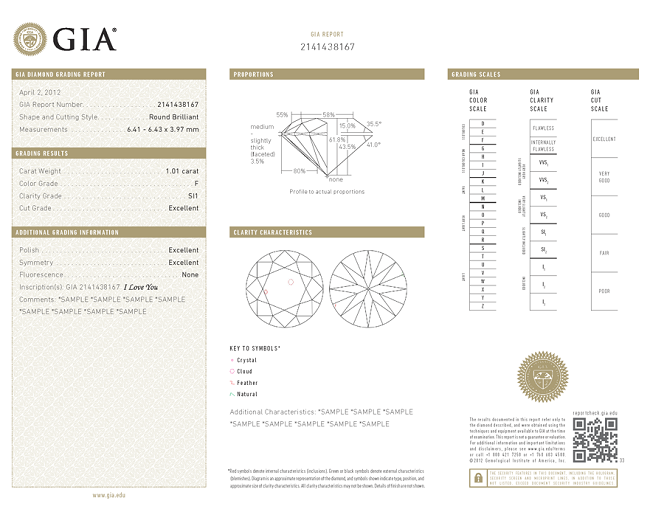
When it comes to something as precious and valuable as your diamond, it makes sense to obtain documentation of exact quality characteristics. The Gemological Institute of America (GIA) Diamond Grading Report contains scientifically determined information on diamond Shape, Clarity, Color, Cut, Carat weight, proportions and finish. It also identifies any known treatments. It is also called a diamond dossier or diamond certificate.
Most of our diamonds in store have been analyzed and graded by the GIA. It is important to note that a diamond grading report isn’t an appraisal. When shopping for a diamond, be sure to ask for a GIA Certificate so that you make a confident purchase.
Diamond Shape
- Diamonds come in many different Shapes. Each shape is very different and possesses unique characteristics.
- The diamond Shape is not to be confused with the Cut of a diamond. The Shape refers to the geometry of a diamond whereas the cut refers to the proportioning of the facets.
- The most popular diamond shape is the Round brilliant.
- Learn about the 4Cs of diamonds: Cut, Color, Clarity and Carat.
Round
Princess
Emerald
Asscher
Marquise
Oval
Radiant
Pear
Heart
Cushion
Diamond Cut
- Cut is a measure of brilliance and how well a diamond transmits light.
- The Cut of a diamond is considered the most important component of a diamond’s beauty.
- When a diamond is cut properly, light is returned out of the top of the diamond, giving it its brilliance.
- If a diamond is too shallow, light escapes out of the bottom. If the cut of the diamond is too deep, light is returned out of the sides.
- Excellent to Very Good cuts on the GIA Cut Grading Scale reflect nearly all of the light that enters a diamond. These diamonds have the most brilliance.
- A diamond that has a Good cut reflects most of the light that enters a diamond.
- Fair to Poor cut diamonds lose most of the light out of the side or bottom from being too shallow or too deep.
- Learn more about the 4Cs of diamonds: Clarity, Color, and Carat.
Shallow Cut
Excellent to Very Good
Deep Cut
Diamond Color
- Color is the degree of whiteness or colorlessness in a diamond. It refers to the diamond’s absence of color.
- The highest grading on the GIA Color Grading Scale is the letter D, which means completely colorless, and continues with the increasing presence of a yellow hue to the grading letter Z, which means light yellow.
- Learn more about the 4Cs of diamonds: Cut, Clarity, and Carat.
D – F
Colorless
G – J
Near Colorless
K – M
Faint Yellow
N – R
Very Light Yellow
S – Z
Light Yellow
Fancy Color Diamonds
Beyond the GIA D to Z Color Grading Scale, there are diamonds that possess natural colors such as blue, brown, green, pink, and yellow. These are known as Fancy Color diamonds, which are extremely rare.
Unlike white or colorless diamonds, fancy-color diamonds are evaluated more for their color intensity than their brilliance. The GIA uses three terms to describe the color of these diamonds: Hue, Tone and Saturation.
Hue – color of the diamond
Tone – lightness or darkness of diamond
Saturation – depth or strength of color
Carat Weight
- Carat is a measurement of a diamond’s weight. One carat equals 200 milligrams in weight.
- A diamond that weighs one carat would not necesarily have the same dimensions as a diamond weighing the same. The size of the diamond would actually depend on the diameter and the cut of the diamond.
- Learn more about the 4Cs of diamonds: Cut, Clarity, and Color.
0.25
0.50
0.75
1.00
1.502.00
3.00
4.00
5.00
Diamond Clarity
- Clarity is a measure of the number and size of the tiny imperfections that appear in almost all diamonds.
- These tiny imperfections are called inclusions.
- Inclusions are created by the heat and pressure during the formation of a diamond.
- The inclusions are mostly microscopic and are often not visible to the untrained eye.
- Learn more about the 4Cs of diamonds: Cut, Color, and Carat.
FL, IF
Flawless, Internally flawless
VVS1, VVS2
Very, very slightly included
VS1, VS2
Very slightly included
SI1, SI2
Slightly included
I1, I2, I3
Included
GIA Certificates
When it comes to something as precious and valuable as your diamond, it makes sense to obtain documentation of exact quality characteristics. The Gemological Institute of America (GIA) Diamond Grading Report contains scientifically determined information on diamond Shape, Clarity, Color, Cut, Carat weight, proportions and finish. It also identifies any known treatments. It is also called a diamond dossier or diamond certificate.
Most of our diamonds in store have been analyzed and graded by the GIA. It is important to note that a diamond grading report isn’t an appraisal. When shopping for a diamond, be sure to ask for a GIA Certificate so that you make a confident purchase.
Our Satified Clients’
Our customers’ satisfaction is our top priority, and their feedback speaks for itself. Here are some testimonials from real customers who have experienced our products/services firsthand.
I have Bought several Bracelets and chains frome these people. Very good quality. Don’t expect a cheap price, if you are looking for cheap go to the mall. But you get what you pay for.
I can’t say enough good things about Georgina and our experience here... We were looking to create a wedding ring & guard and also get my husband a wedding band. Georgina was incredibly helpful and gave us great advice in creating the most beautiful rings. She also helped guide us in turning my original engagement ring into a pendant ... Her attention to detail was amazing and her thoughtful recommendations made our dreams come true. We are thrilled with our rings and we are pleased to call Georgina a friend. She is awesome and truly provided us with wonderful service.
I could not be more happy with the wonderful service we always receive at Silverberg & Sons Jewelers. From our first visit to have a Rolex valued for insurance, to my latest experience working with Marc on a custom ring for a diamond we bought in Israel, it was just superb. I could not be happier with the quality, or the attention to perfection of my project. I would recommend Silverberg & Sons for any need, from repair to retail purchase to custom work!
RecentArticles
Jewelry Care
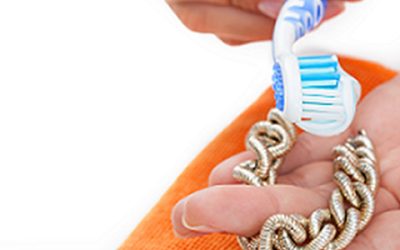
After wearing your jewelry, gently wipe them with a soft polishing cloth to remove oil and grime. Take your jewelry off before bathing/swimming, dying your hair, playing sports or doing tasks and housework. If your jewelry hits a hard surface, it can crack or chip the...
Ring Sizes
At Silverberg Jewelers, we are more than happy to help you accurately determine your ring sizes. Come by our store and we will measure your finger; there is no appointment necessary and no cost for this service. However, sometimes there are situations where the finger...

Buying an Engagement Ring
Review the 4Cs When buying an engagement ring, we recommend that you have an understanding of the four quality characteristicsthat define a diamond’s beauty (and subsequently the price). Knowing what you are looking for will make your visit to the jeweler less...